What is Visa/Mastercard Interchange? Understanding How Payment Processing Fees Work
If your business accepts credit or debit card payments, you have likely noticed that payment processing fees can vary from one transaction to another. One of the biggest factors behind those fees is something called interchange.
For many business owners, interchange fees can seem confusing or overly technical. However, understanding how Visa and Mastercard interchange works can help businesses better manage payment costs, improve pricing strategies, and make informed decisions about their payment processing solutions.
At Electronic Commerce International (ECI), we help businesses simplify the payment process while providing secure, cost-effective solutions that support long-term growth.
What is Visa/Mastercard Interchange?
Visa and Mastercard interchange refers to the fees charged every time a customer uses a credit or debit card for a transaction.
These interchange fees are set by card networks like Visa and Mastercard and are paid to the cardholder’s issuing bank. The fees help cover the cost of processing transactions, fraud prevention, security measures, and maintaining the overall card payment network.
Interchange is only one part of the total payment processing fee businesses pay when accepting card payments.
A typical card transaction may include:
Interchange fees
Card network fees
Payment processor fees
Gateway or technology fees
Because interchange fees are determined by Visa and Mastercard, they are generally non-negotiable for merchants.
How Interchange Fees Work
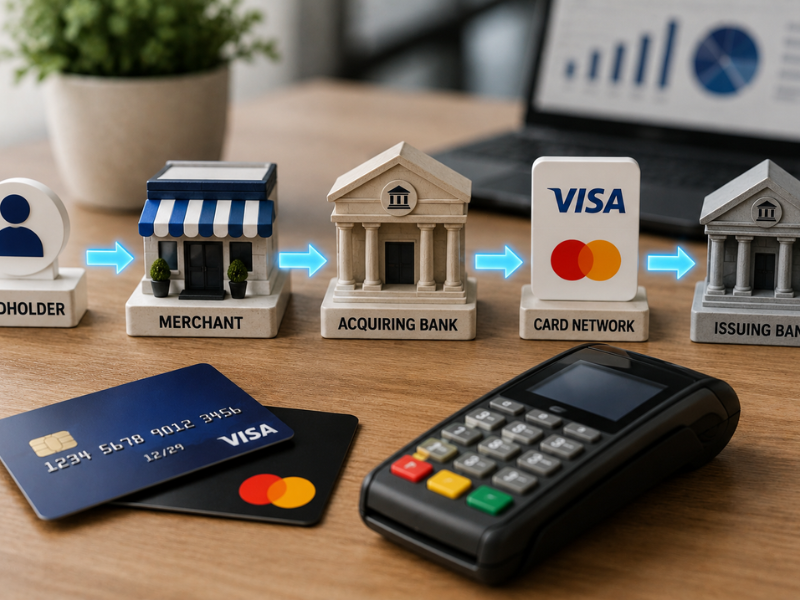
When a customer makes a purchase using a credit or debit card, several parties are involved in completing the transaction:
The customer uses their card to pay.
The merchant’s payment processor sends the transaction for authorization.
The issuing bank approves or declines the payment.
The transaction is completed.
Interchange fees are distributed to the issuing bank.
The amount charged for interchange depends on several factors, including:
Type of card used (credit, debit, rewards, business card)
Method of payment (tap, chip, online, keyed-in)
Industry type
Transaction size
Card-present vs. card-not-present transactions
Security and compliance standards
For example, online transactions often have higher interchange fees because they carry a greater fraud risk than in-person chip transactions.
Why Interchange Rates Change
Visa and Mastercard periodically update interchange rates to reflect changes in:
Fraud prevention requirements
Security technologies
Market conditions
Consumer spending behavior
Regulatory updates
Payment innovation trends
Businesses that process payments online, through mobile devices, or in high-risk industries may experience different interchange structures compared to traditional retail businesses.
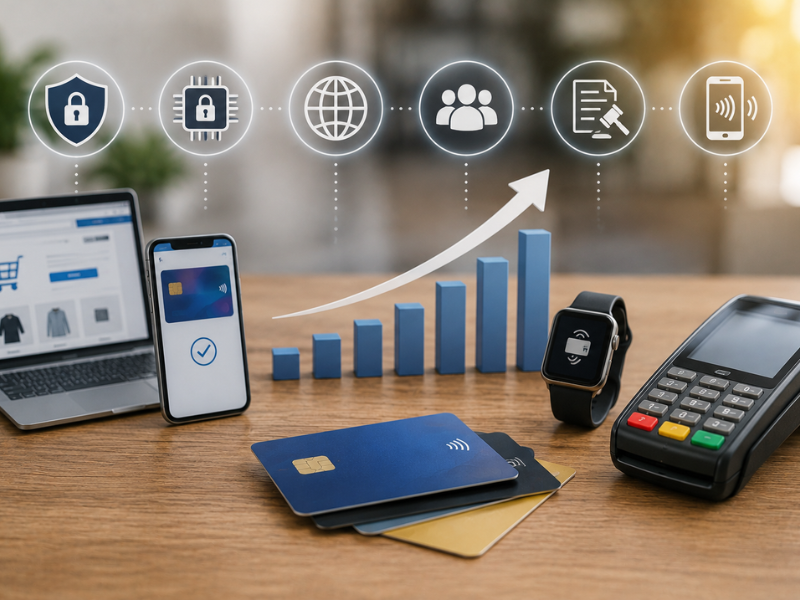
In recent years, payment security, digital wallets, contactless payments, and e-commerce growth have all influenced interchange updates across the industry.
Common Types of Interchange Categories
There are hundreds of interchange categories, but most transactions fall into common groups such as:
Qualified Transactions
These are transactions that meet preferred processing criteria, often resulting in lower interchange rates.
Mid-Qualified Transactions
These transactions may involve rewards cards or additional processing risk, leading to slightly higher fees.
Non-Qualified Transactions
These transactions usually carry the highest fees due to increased risk, manual entry, or missing transaction data.
Understanding how your transactions are categorized can help reduce unnecessary processing expenses.
How Businesses Can Reduce Interchange Costs
Although interchange fees themselves are set by Visa and Mastercard, businesses can still take steps to reduce their overall payment processing costs.
Use EMV Chip Readers and Contactless Payments
Secure payment methods help lower fraud risk and may qualify transactions for better rates.
Maintain PCI Compliance
Businesses that follow PCI compliance standards help protect cardholder data and reduce security risks.
Process Transactions Properly
Incorrect transaction data or manually keyed-in payments can increase processing costs.
Choose the Right Payment Processor
Working with a trusted payment processing partner can help businesses optimize their setup and improve pricing transparency.
Learn more about ECI and our commitment to secure payment processing solutions on our About Us page.
Consider Dual Pricing Programs
Some businesses use dual pricing models that offer customers the option to pay with ACH or card payments, helping offset processing expenses.
Why Understanding Interchange Matters
Many business owners focus only on their monthly processing statement without fully understanding what drives the costs behind it.
By learning how interchange works, businesses can:
Improve payment strategy decisions
Reduce unnecessary processing fees
Better understand transaction costs
Strengthen payment security practices
Support long-term operational efficiency
As digital payments continue to evolve, understanding interchange is becoming increasingly important for businesses of all sizes.

How ECI Helps Businesses Navigate Payment Processing
At Electronic Commerce International (ECI), we help businesses simplify payment processing while providing secure, scalable, and cost-effective solutions.
Our services include:
Payment Processing Solutions
Full POS Systems
Mobile Payment Processing
Online Payment Gateways
Business Funding Solutions
Marketing Support through MarketingROI.ai
ECI EZPay Integration
Dual Pricing Programs
Dedicated Customer Support
Founded by Jim Anderson and Heidi Anderson, ECI is committed to helping businesses across North America improve efficiency, simplify payments, and support long-term growth.
If you would like to learn more about our services or speak with our team, visit our Contact Us page.
Final Thoughts
Visa and Mastercard interchange fees are an essential part of the modern payment ecosystem. While the fee structures can seem complex, understanding how interchange works can help businesses make smarter financial and operational decisions.
With the right payment processing partner, businesses can improve transparency, strengthen security, and create a smoother payment experience for their customers.
If your business is looking for modern payment solutions designed to reduce complexity and support growth, ECI is here to help.
