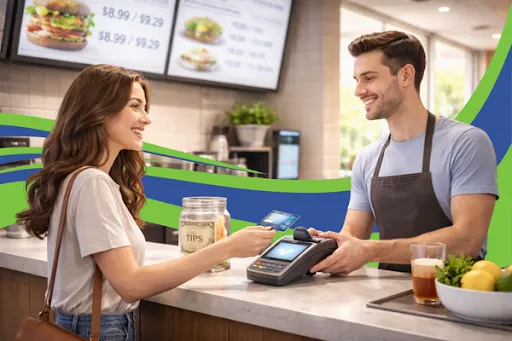
Dual Pricing for Restaurants: Compliance Tips Every Owner Should Know
Running a restaurant today is not just about great food—it’s also about smart business management. One way restaurants can manage their expenses is through dual pricing, a strategy that allows you to offer different prices depending on how a customer pays. With the rise in credit card usage, understanding how to remain dual pricing compliant is essential for restaurant owners.
In this article, we’ll explore what dual pricing is, how it works, the legal requirements, and practical tips to implement it successfully using tools like ECI EZPay from MarketingROI.ai.
What is Dual Pricing in Restaurants?
Dual pricing is a payment strategy where restaurants charge different prices depending on the payment method used. This approach allows restaurant owners to manage costs while still providing flexibility to customers. Typically, this means:
Credit Card Price: Slightly higher to cover processing fees.
Cash or ACH Price: Lower to encourage cheaper payment methods.
This system helps restaurants offset credit card processing fees while giving customers a choice. For example, if a meal costs $20:
Paying with credit card: $20.80
Paying with cash/ACH: $20.00
The difference covers the cost of credit card processing, helping restaurant owners protect their profits.
How It Works in Practice
Dual pricing is more than just a pricing difference. It requires clear communication and smooth integration with your payment system. Here’s what happens behind the scenes:
Transaction Processing: When a customer chooses to pay by credit card, the system automatically applies the higher price. Cash or ACH payments trigger the lower price.
Customer Choice: Dual pricing gives customers control over how much they spend. Some may prefer the convenience of a credit card even at a slightly higher cost, while others might choose to save money with cash or ACH.
Profit Protection: By adding a small surcharge to credit card payments, restaurants prevent processing fees from eating into their profits. Over time, this can lead to significant savings, especially for restaurants with high transaction volumes.
Examples and Benefits
Consider a restaurant with a monthly sales volume of $75,000.
If 60% of customers pay with credit cards, that equals $45,000 in card transactions.
At an average 3% processing fee, the restaurant pays $1,350 per month in credit card fees or $16,200 per year.
The remaining 40% paid in cash or ACH incurs no processing fees.
Without dual pricing, the restaurant absorbs the full $1,350 monthly cost. With dual pricing, this expense can be offset by a small price adjustment for credit card payments, allowing the restaurant to keep more of its revenue without raising base menu prices.
Dual pricing also improves cash flow efficiency, as ACH and cash payments often settle faster than credit cards. It helps educate customers on payment costs while supporting long-term profitability and customer trust.
Understanding the Legal Requirements for Dual Pricing

Dual pricing is legal in the United States, but there are strict compliance rules you must follow to avoid fines or legal issues. Proper implementation ensures your restaurant stays within the law while maximizing profits. Key requirements include:
Transparency: Clearly display both cash and credit card prices.
Customers must immediately understand that prices differ depending on the payment method.
Use menus, table tents, and counter signage to make the pricing visible.
Avoid hidden fees or small print that may confuse customers. Clear communication builds trust and reduces complaints.
Voluntary Participation: Customers must have the choice to pay with either method.
No customer should feel forced to pay by credit card or cash.
Give customers the freedom to select the payment method that suits them.
Staff should be trained to explain the pricing difference politely, emphasizing that the choice is theirs.
Equal Treatment: No additional fees beyond the disclosed credit card price.
Surcharges must be consistent for all credit card transactions.
Avoid discriminatory practices, such as applying different fees for different card types or customer groups.
Compliance ensures your pricing structure is fair and transparent to every customer.
Signage: Place clear signs at the counter and on menus.
Signs should indicate both prices and explain why the difference exists.
Include statements like: “We offer a discounted price for cash or ACH payments. Credit card payments include a small processing fee.”
The more visible and clear the signage, the less confusion and disputes you will have.
Additional Compliance Tips
Check State Laws: Some states have specific rules about surcharges or dual pricing, so always verify local regulations.
POS System Integration: Make sure your point-of-sale system can handle dual pricing properly, displaying correct prices automatically.
Staff Training: Employees should understand dual pricing and compliance rules to answer customer questions accurately.
Documentation: Keep records of how pricing is displayed and communicated to customers to protect your business in case of audits or complaints.
By following these legal requirements, you not only stay compliant but also build customer confidence. Dual pricing done correctly enhances transparency, improves customer experience, and protects your restaurant from unnecessary legal risks.
How Dual Pricing Works with ECI EZPay
ECI EZPay, offered by MarketingROI.ai, makes dual pricing simple. Here’s how:
ECI ZeroPay Program
Customers can choose to pay with a credit card at a slightly higher price.
Cash or ACH payments get a discount, saving up to 4%.
Monthly transaction volume is tracked automatically.
Cost Plus Program
ACH payments remain a low-cost option.
Ideal for restaurants that prefer predictable pricing while keeping transaction fees manageable.
Benefits of Dual Pricing for Restaurants

Implementing dual pricing can bring many advantages for your business and your customers. It’s not just about saving money—it also enhances customer experience, efficiency, and long-term profitability.
Benefits for Your Customers
Choice: Customers decide whether they want the convenience of a credit card or save money with cash/ACH.
This flexibility allows customers to manage their spending according to their preferences.
Some customers value convenience over cost, while others prefer to save a few dollars on each transaction.
Cost Savings: Paying with cash/ACH can save customers up to 4% per transaction.
These savings add up over time, especially for regular customers or those ordering larger meals.
Customers are more likely to return to a restaurant that provides clear savings options.
Faster Transactions: Cash and ACH payments are processed more quickly than credit cards.
Shorter payment times reduce waiting lines and improve table turnover.
A faster checkout process enhances customer satisfaction and overall dining experience.
Informed Choices: Customers become aware of processing costs associated with different payment methods.
This transparency builds trust and encourages more responsible payment decisions.
Educated customers are more likely to appreciate the restaurant’s effort to remain fair and transparent.
Benefits for Your Restaurant
Lower Fees: Cover credit card processing fees without impacting your menu prices.
Dual pricing ensures that credit card fees are passed to those who use them, protecting your margins.
Over time, this can save thousands of dollars in transaction costs.
Higher Profit Margins: Keep more of your revenue while offering flexibility to customers.
Profit margins improve without changing your menu prices or reducing service quality.
Even small adjustments per transaction can have a significant impact on annual revenue.
Seamless Integration: Using ECI EZPay terminals allows credit and cash payments with no extra effort.
Integrated systems automatically apply the correct price for each payment method.
Staff training is minimal, and errors are reduced, making the process smooth for everyone.
Improved Cash Flow: Cash and ACH payments are often faster than credit card transactions.
This means more money is available in your account sooner, which helps with operating expenses.
Faster access to funds can improve your ability to invest in inventory, staffing, or marketing.
Example:
Monthly Sales Volume: $20,000
Annual Credit Card Fees Covered: $6,864
Extra Cash Savings: Customers pay less, you pay only $1 per ACH transaction under $25,000.
By implementing dual pricing effectively, restaurants can boost profitability, enhance customer satisfaction, and streamline payment processing, creating a win-win situation for both owners and patrons.
Best Practices for Implementing Dual Pricing
Implementing dual pricing correctly is key to protecting profits and maintaining customer trust. Here are some best practices restaurant owners should follow:
1. Clearly Display Prices
Always show both cash and credit card prices.
Use menu signs, table tents, and counter displays to make the difference visible.
Make sure signage is clear, easy to read, and placed where customers can see it before paying.
Consider using digital displays for online ordering systems or kiosks to ensure consistency.
Highlight the benefits of choosing cash or ACH, such as savings, to encourage informed decisions.
2. Train Your Staff
Ensure your staff can explain dual pricing to customers clearly.
They should be ready to answer questions like:
"Why is the credit card price higher?"
"Can I pay with ACH?"
Roleplay scenarios during staff meetings so employees are confident discussing the options.
Staff should emphasize that dual pricing is optional and customer-friendly, not a penalty.
Well-trained staff reduce confusion, complaints, and potential disputes, improving the overall dining experience.
3. Choose the Right Payment Processor
Using ECI EZPay allows you to manage transactions efficiently. Benefits include:
Integrated payment gateway
Optional credit card terminal
Support for ACH, Apple Pay, and Google Wallet
Dual pricing and cost-plus options
Make sure your POS system can handle dual pricing automatically to reduce errors.
Regularly test your payment setup to confirm that correct prices are applied for each payment method.
Choose a processor that offers real-time reporting, so you can monitor revenue and fee savings easily.
4. Keep Customers Informed
Transparency builds trust with your customers.
Include a note on your menu, receipt, or digital checkout screen like:
"We offer a discounted price for cash or ACH payments. Credit card payments include a small processing fee."
Clearly explain that the pricing difference covers credit card processing fees.
Use social media or website updates to educate customers about dual pricing, especially if it’s a new system.
5. Monitor Your Transactions
Track monthly transaction volumes to see how much you’re saving.
Compare fees for credit card versus cash/ACH payments to evaluate your strategy’s effectiveness.
Analyze customer behavior trends to see if more people are choosing cash or ACH.
Adjust your dual pricing strategy if needed, while staying compliant with legal requirements.
Monitoring also helps identify unusual patterns or errors in your payment system, keeping your restaurant financially healthy.
By following these best practices, restaurant owners can maximize profits, reduce processing fees, and improve the customer experience, creating a system that benefits both the business and its patrons.
Common Challenges and How to Overcome Them
While dual pricing offers many benefits, restaurant owners may face some challenges during implementation. Knowing how to address these challenges can make the process smoother and more effective.
Challenge 1: Customer Confusion
Solution: Use clear signage and staff training.
Place visible signs at counters, menus, and tables explaining the dual pricing system.
Train staff to answer common questions, such as:
“Why is the credit card price higher?”
“How much can I save by paying with cash or ACH?”
Offer polite explanations emphasizing that the choice is optional and customer-friendly.
Consider digital signage or online notifications for takeout or delivery orders to avoid confusion.
Well-informed customers are more likely to appreciate the system and make choices that benefit both them and your restaurant.
Challenge 2: State Regulations
Solution: Check local laws and work with a legal consultant if needed.
Some states have specific rules regarding surcharges, cash discounts, or dual pricing.
Stay updated on any changes in credit card regulations that might affect pricing.
Ensure your pricing structure, signage, and receipts comply with federal and state requirements.
Consulting with a legal expert helps avoid fines and ensures your dual pricing system is fully compliant.
Challenge 3: Integration with POS Systems
Solution: Use ECI EZPay’s integrated terminals to handle dual pricing seamlessly.
Ensure your point-of-sale system automatically applies the correct price depending on the payment method.
Test the system regularly to prevent errors or overcharges.
Integrated solutions reduce staff errors, speed up transactions, and provide accurate reporting for monitoring savings and transaction volume.
A properly integrated system makes dual pricing easy to implement for both in-person and online payments.
By proactively addressing these challenges, restaurants can implement dual pricing smoothly, improving profitability and enhancing customer satisfaction.
Why Choose ECI EZPay for Your Restaurant
ECI EZPay empowers restaurant owners with flexibility and control, making it easier to implement dual pricing while maximizing profits. Here’s why it’s the preferred choice for modern restaurants:
All-in-One Platform: Accept credit cards, ACH, Apple Pay, and Google Wallet.
Customers can pay using their preferred method, enhancing convenience and satisfaction.
Online, in-person, and mobile payments are supported, providing a seamless experience for all transaction types.
With one unified platform, you can manage all transactions without juggling multiple systems.
Dual Pricing Options: ZeroPay or Cost Plus programs to suit your business model.
Choose the program that best fits your restaurant’s goals—whether you want customers to offset processing fees or absorb them as part of business costs.
Both programs allow you to maintain transparency and remain compliant with federal and state regulations.
Options give you the flexibility to adapt pricing as your business grows or customer habits change.
Lower Transaction Costs: Reduce credit card fees and improve profitability.
By passing fees to credit card users or absorbing them strategically, you save thousands annually.
ACH and cash payments help minimize costs while keeping transactions fast and reliable.
Lower processing fees directly impact your bottom line, giving you more resources to reinvest in your restaurant.
Seamless Integration: Terminal connects with your POS for in-person transactions.
Integrated terminals simplify dual pricing by automatically applying the correct price for each payment method.
Staff can complete transactions quickly, reducing errors and improving efficiency.
Real-time reporting helps you track sales, monitor trends, and measure the effectiveness of your dual pricing strategy.
With ECI EZPay, restaurant owners gain a powerful tool to streamline payments, lower costs, and enhance customer satisfaction, all while maintaining full control over pricing strategies.
Tips to Maximize Dual Pricing Benefits
To make the most of dual pricing, restaurant owners should go beyond simply setting different prices for cash and credit card payments. Implementing strategic practices can increase customer adoption, improve efficiency, and boost profits.
Encourage ACH Payments for Online Orders
Highlight ACH as a lower-cost option during online checkout.
Offer step-by-step guidance for customers unfamiliar with ACH to make the process simple and convenient.
Promote ACH savings in marketing messages, such as newsletters or website banners, so customers are aware of the benefits.
ACH payments reduce transaction costs while maintaining speed and security, making them a win-win for both you and your customers.
Offer Loyalty Discounts for Cash or ACH Users
Reward returning customers who choose cash or ACH with small incentives like discounts, points, or free items.
Loyalty programs reinforce positive behavior, encouraging more customers to choose cost-saving payment methods.
Publicizing these programs increases awareness and can improve customer satisfaction and retention.
Combine Dual Pricing with Seasonal Promotions
Align cash or ACH discounts with holidays, special events, or limited-time offers.
Promote savings clearly on menus, social media, or email campaigns to drive awareness.
Seasonal promotions can increase sales while highlighting the advantages of dual pricing.
Monitor Trends Monthly to Optimize Pricing
Track customer payment choices and transaction volumes regularly.
Identify which methods are most popular and adjust pricing or promotions accordingly.
Use data from your POS or payment processor, like ECI EZPay, to make informed decisions and maximize savings.
Continuous monitoring ensures your dual pricing strategy stays effective and profitable over time.
By implementing these tips, restaurants can increase adoption of cost-saving payment methods, enhance customer satisfaction, and maximize revenue, making dual pricing a strategic tool rather than just a pricing adjustment.
Dual Pricing Success Stories
Restaurants using dual pricing have seen impressive results, proving that this strategy can improve profitability while keeping customers happy. Real-world examples highlight why dual pricing is worth implementing.
Reduced Credit Card Processing Fees by Thousands Annually
Restaurants with monthly sales of $20,000 or more reported saving thousands of dollars each year by offsetting credit card fees.
These savings allow owners to reinvest in staff, inventory, or marketing, improving overall business operations.
Even small adjustments per transaction add up over time, making a noticeable difference in annual revenue.
Increased Cash Payment Adoption Among Customers
Customers respond positively to the option of paying less with cash or ACH.
Some restaurants have seen a 20–30% increase in cash and ACH transactions, reducing processing costs significantly.
Encouraging alternative payment methods also helps speed up transactions, improving table turnover and service efficiency.
Improved Overall Profit Margins Without Affecting Customer Satisfaction
Dual pricing allows restaurants to cover fees without raising menu prices for all customers.
Transparency in pricing builds trust, ensuring customers understand that they are paying for convenience when using credit cards.
Restaurants report no negative impact on customer satisfaction, as the choice empowers customers rather than penalizing them.
Simplified Implementation with Tools Like ECI EZPay
Platforms like ECI EZPay make dual pricing easy to integrate into both in-person and online transactions.
Features such as integrated terminals, real-time reporting, and ACH support reduce errors and improve efficiency.
Restaurants can focus on running their business while the payment system handles dual pricing automatically.
These success stories show that with the right tools and strategy, dual pricing can be a powerful way for restaurants to increase revenue, lower costs, and maintain happy customers.
Key Takeaways
Dual pricing is a powerful strategy that can help restaurants increase profits, reduce fees, and improve customer satisfaction. Here are the key points every restaurant owner should remember:
Dual Pricing Helps Restaurants Cover Credit Card Processing Costs
By offering a slightly higher price for credit card transactions, restaurants can offset processing fees without raising menu prices for all customers.
Customers who pay with cash or ACH enjoy savings, creating a balanced system that benefits both parties.
Over time, dual pricing can save thousands annually, especially for restaurants with high transaction volumes.
Transparency and Compliance Are Crucial
Clearly display both cash and credit card prices on menus, signs, and digital ordering platforms.
Ensure compliance with federal and state regulations to avoid fines or legal issues.
Transparent pricing builds trust with customers and prevents confusion or complaints.
ECI EZPay Offers Integrated Solutions for In-Person and Online Transactions
With features like integrated terminals, real-time reporting, and support for ACH, Apple Pay, and Google Wallet, ECI EZPay simplifies dual pricing.
The platform automatically applies correct prices for each payment method, reducing errors and staff training time.
Online and mobile payment integration ensures that your dual pricing strategy works seamlessly across all channels.
Educating Staff and Customers Ensures Smooth Implementation
Train staff to explain dual pricing politely and answer customer questions effectively.
Educate customers about the benefits of cash or ACH payments, including cost savings and faster transactions.
Regularly review trends and adjust strategies as needed to maintain efficiency and customer satisfaction.
By following these takeaways, restaurant owners can implement dual pricing successfully, creating a system that protects profits, supports compliance, and enhances the customer experience.
Frequently Asked Questions (SEO Optimized)
1. Is dual pricing legal for restaurants?
Yes, dual pricing is legal in the U.S. as long as it is transparent, voluntary, and compliant with state laws.
Restaurants must display both cash and credit card prices clearly on menus, signs, and digital ordering platforms.
Customers should always have the freedom to choose their preferred payment method without being forced to pay a higher price.
Compliance also includes avoiding hidden fees and ensuring that credit card surcharges are consistent for all customers.
Checking with local regulations or a legal consultant helps ensure your pricing system is fully compliant.
2. How much can restaurants save with dual pricing?
Savings depend on your monthly transaction volume and the mix of payment methods used.
On average, restaurants can save 2–4% per credit card transaction, which adds up to thousands of dollars annually.
For example, a restaurant with $20,000 monthly sales could save over $6,800 per year by implementing dual pricing correctly.
Savings increase if customers choose ACH or cash more frequently, reducing overall processing costs.
Over time, dual pricing not only protects your profits but also provides resources to invest back into your restaurant, such as marketing, staff training, or menu improvements.
3. How do I implement dual pricing easily?
Using a platform like ECI EZPay, restaurants can manage dual pricing, ACH payments, and card transactions seamlessly.
Integrated terminals automatically apply the correct price based on payment method, reducing errors and staff effort.
Staff should be trained to explain the pricing system politely and answer common questions about fees and payment options.
Clear signage on menus, counters, and digital platforms ensures customers understand the system upfront.
Monitoring transaction trends monthly helps refine pricing strategies and optimize savings.
Combining dual pricing with loyalty programs or promotions can further encourage cash or ACH payments, maximizing the benefits for both the restaurant and the customer
By following these steps, restaurants can implement dual pricing efficiently, remain compliant, and boost profitability while keeping customers informed and satisfied.
